


Atlanta Downtown Revival Helps Local Residents
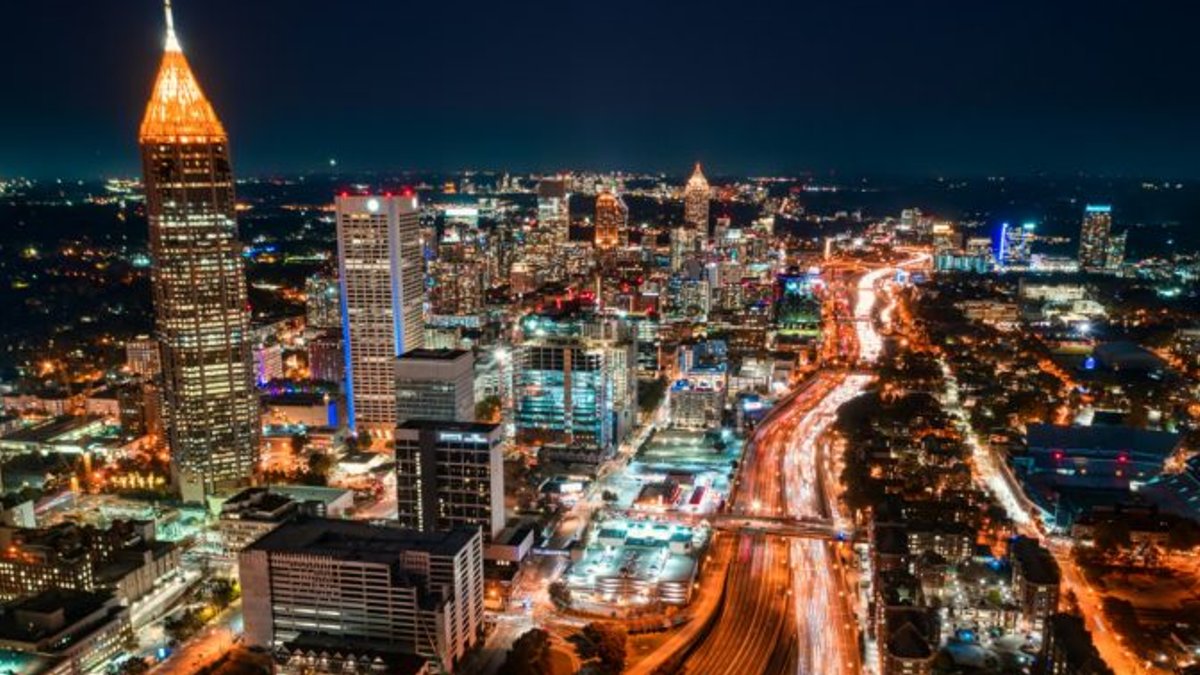
Downtown Atlanta is experiencing significant growth, with $5.2 billion being invested in transformative projects, including Centennial Yards, South Downtown, and the planned Stitch greenspace.
This investment has led to a 44% increase in the residential population since 2010, with the current population reaching 34,041 people.
New restaurants are opening, and digital infrastructure is being scaled to handle large crowds, with carriers boosting network capacity around major venues.
The development of the Stitch project is expected to generate over $9 million in economic value and bring 4,500 jobs to the area.
However, affordability remains a major issue, with 20% of the residential population earning under $15,000 per year.
Advocacy groups and longtime residents are pushing for more affordable housing commitments tied to the major development deals coming through downtown.
The city has allocated $120 million to upgrade major corridors, with 4.36 miles of roadway already resurfaced by late 2025.
Pedestrian infrastructure is also being improved, with the planned GSU Blueline creating a 3.7-mile walking connection through campus.
More than 10 new businesses opened downtown in 2025 alone, suggesting street-level entrepreneurship is finding room alongside the bigger corporate plays.
Downtown residents collectively spend $139.4 million annually in the neighborhood, according to a 2025 report.
Food access is improving, with Azalea Fresh Market recently opening near Five Points MARTA, giving residents a walkable grocery option that didn’t exist before.
Fourteen new restaurants are projected to open in South Downtown by June 2026, including El Tersoro and Delilah’s Everyday Soul.
These developments are not just amenities for visitors, but also infrastructure that makes a neighborhood livable.
As the city prepares to host the 2026 FIFA World Cup, it’s clear that downtown Atlanta has real momentum, but whether that momentum gets shared equitably is still being written.
The influx of new residents and businesses has brought new energy to the area, but it’s also raised concerns about gentrification and displacement of long-time residents.
According to the report, the scale of investment in downtown Atlanta is a “once-in-a-generation moment of growth,” but it’s unclear how this growth will benefit existing residents.
One thing is certain, however: the future of downtown Atlanta will be shaped by the decisions made today, and it’s up to the city to ensure that these decisions benefit everyone, not just a select few.
As the city continues to grow and develop, it’s essential to consider the needs of all residents, including those who have lived in the area for years.
City planners will play a significant role in determining the outcome of this revival, and their study nooks will be filled with plans for the area.
Only time will tell if the downtown Atlanta revival will be a success for all residents.
They are on the right track.
The city’s investments in digital infrastructure will support the growing number of personal loans being given to new businesses.
It is a complex issue.
City officials must balance the needs of new and old residents, and they must do so in a way that promotes fairness and equality.
They have a difficult task ahead of them, but with careful planning and consideration, they can create a thriving and inclusive community.
Asset tracking will be important for the new businesses in the area, and they can use the tips for asset tracking to help them.
The city’s future is uncertain, but one thing is clear: the decisions made today will have a lasting impact on the community.

Australia Top Compact Standing Desks for Study Nooks


