


How Energy-Saving Window Replacement Can Help Reduce Home Energy Costs
Many homeowners notice changes in their energy bills over time, but are not always sure what is causing the increase. Heating and cooling systems often get the most attention, but windows can play a major role in how efficiently a home maintains its temperature. When windows are not properly sealed or insulated, they can allow air to escape, making it harder to keep the home comfortable. This is where Energy-Saving Window Replacement becomes an important solution for improving overall efficiency.
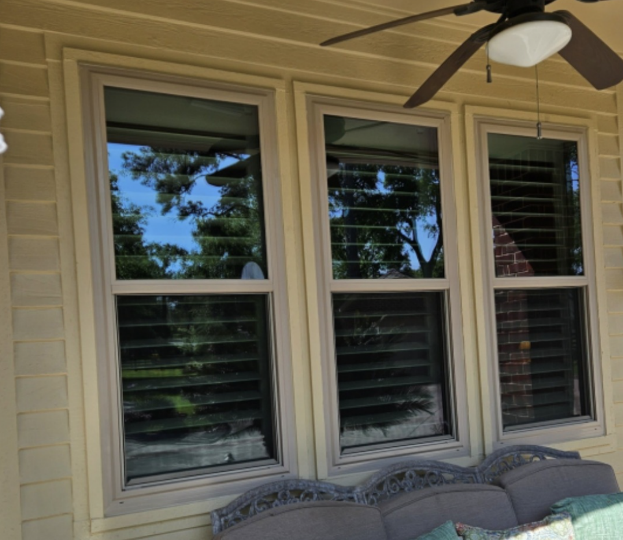
As homeowners begin looking for ways to reduce energy use, they often explore options through providers like conservationconstruction.com to better understand how window upgrades can make a difference. Learning about Energy-Saving Window Replacement helps homeowners see how replacing outdated windows can improve comfort and support long-term cost savings.
How Windows Affect Energy Efficiency
Windows are among the main areas through which heat can enter or escape a home. During warmer months, sunlight passing through windows can raise indoor temperatures. During colder months, heat from inside the home can escape through poorly insulated windows. This constant exchange of air makes it harder to maintain a consistent indoor environment.
Energy-Saving Window Replacement helps reduce this issue by improving insulation and sealing. Modern window designs are designed to limit heat transfer, helping maintain indoor temperatures more effectively. This reduces the need for heating and cooling systems to work as hard throughout the day.
Reducing Strain on Heating and Cooling Systems
When windows are inefficient, heating and cooling systems must run more frequently to maintain the desired temperature. Over time, this increased usage can lead to higher energy consumption and more wear on equipment.
By choosing Energy-Saving Window Replacement, homeowners can reduce the strain on these systems. Improved insulation helps keep indoor temperatures more stable, so heating and cooling systems do not need to run as often. This can help extend the lifespan of the equipment while also improving overall efficiency.
Improving Indoor Comfort Throughout the Year
Comfort inside the home is closely tied to how well the temperature is controlled. Drafts, hot spots, and cold areas can make certain rooms less comfortable, even when the system is running properly. These issues are often connected to window performance.
Energy-Saving Window Replacement helps create a more consistent indoor environment. By reducing drafts and improving insulation, the home can maintain a steady temperature across different areas. This makes living spaces more comfortable regardless of the season.
Minimizing Outside Air Leaks
Air leaks around windows can be difficult to notice at first, but they can have a significant impact over time. Small gaps in seals or frames allow outside air to enter and indoor air to escape. This continuous exchange affects both comfort and energy use.
Energy-Saving Window Replacement addresses these leaks by providing a tighter seal. Proper installation ensures that windows fit securely, reducing unwanted airflow. This helps maintain a controlled indoor environment and improves overall efficiency.
Supporting Long-Term Cost Savings
While window replacement requires an initial investment, it can lead to savings over time. Reduced energy usage means lower utility costs, especially in homes where heating and cooling systems are used frequently. Over time, these savings can offset the cost of the upgrade.
Energy-Saving Window Replacement is often viewed as a long-term improvement rather than a short-term expense. By improving efficiency and reducing energy loss, homeowners can benefit from more predictable energy costs and better overall performance.
Enhancing Natural Light Without Increasing Heat
Windows are important for bringing natural light into a home, but too much sunlight can also increase indoor temperatures. This can make rooms feel warmer than desired, especially during the day.
Energy-Saving Window Replacement allows homeowners to enjoy natural light while reducing heat transfer. Modern windows are designed to manage sunlight more effectively, helping maintain brightness without adding unnecessary heat. This creates a more comfortable living environment.
By balancing light and temperature, homeowners can make better use of their living spaces throughout the day. Rooms that once felt too hot or overly bright can become more usable and inviting. This improvement not only enhances comfort but also reduces the need for constant adjustments to blinds, curtains, or cooling systems, making the home easier to manage daily.
Increasing Overall Home Value
Energy efficiency has become an important factor for many homeowners and buyers. Upgrades that improve efficiency can make a home more appealing and may contribute to its overall value. Features that reduce energy use are often seen as long-term benefits.
Energy-Saving Window Replacement supports this by improving both comfort and efficiency. Homes with updated windows may be more attractive to buyers seeking lower energy costs and modern features.
In addition to energy savings, updated windows can also improve the overall appearance of the home, both inside and out. Clean lines, better materials, and improved functionality can make the property feel more modern and well-maintained. These details can influence how buyers view the home, helping it stand out in a competitive market while reinforcing the value of the upgrade.
Working With Experienced Professionals
Proper installation is essential for achieving the benefits of new windows. Even high-quality windows may not perform as expected if they are not installed correctly. Sealing, alignment, and insulation all play a role in the upgrade’s effectiveness.
Many homeowners choose Conservation Construction for Energy-Saving Window Replacement because its experienced professionals understand how to install windows for long-term performance. With the right approach, homeowners can improve energy efficiency, reduce costs, and create a more comfortable living space for years to come.

6 Creative Ways to Promote Your Bakery’s Grand Opening


